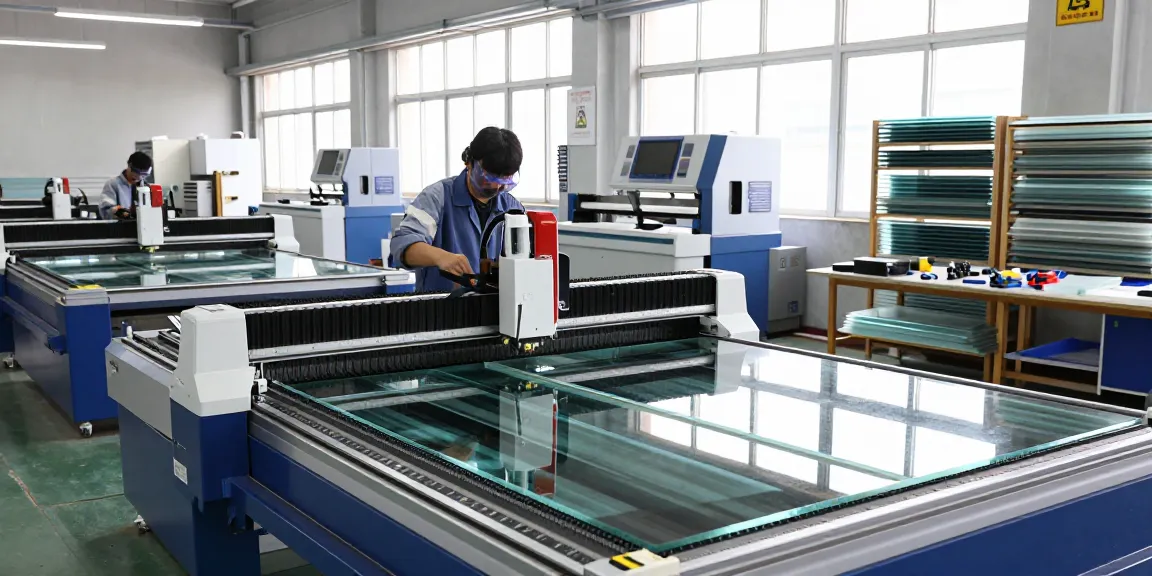
Understanding the Glass Cutting Table
In the realm of glass processing, the glass cutting table serves as a pivotal tool for ensuring precision and efficiency. It is designed to facilitate the accurate cutting of various types of glass, catering to both industrial and artisan needs. A glass cutting table can significantly enhance production workflows, providing the right platform for creating intricate glass shapes and ensuring high-quality finishes. When exploring options, glass cutting table provides comprehensive insights into the latest innovations available in the market.
What is a Glass Cutting Table?
A glass cutting table is a specialized workstation that allows for the cutting of glass sheets with great accuracy. These tables are built to support glass during cutting, often featuring a flat surface that can be carpeted or covered with a material that minimizes friction. The design ensures that glass does not shift during the cutting process, which is crucial for achieving clean edges and precise dimensions.
Key Features of Modern Glass Cutting Tables
- Flat Surface Design: Ensures stability and reduces the risk of breakage.
- Size Options: Available in various dimensions to accommodate different glass sizes.
- Integrated Cutting Systems: Some tables come equipped with CNC technology for automated cutting processes.
- Durable Materials: Crafted from robust materials designed to withstand the pressure of heavy glass sheets.
- Adjustable Height: Ergonomic features that allow users to adjust the table height for comfort and efficiency.
Benefits of Using Advanced Glass Cutting Technology
Modern glass cutting tables equipped with advanced technology offer numerous benefits that improve productivity and safety. Automation features significantly reduce human error and increase cutting speed, while high-precision tools ensure consistent results across multiple cuts. Additionally, features such as dust collection systems keep the workspace clean, contributing to a healthier working environment.
Types of Glass Cutting Tables
CNC Glass Cutting Tables
CNC glass cutting tables use computer numerically controlled technology to provide exceptional precision and repeatability. These machines are capable of executing complex cuts that would be impractical with manual methods. They are particularly useful for large-scale operations where speed and accuracy are paramount.
Semi-Automatic vs. Fully Automatic Options
When selecting a glass cutting table, one must consider the level of automation required. Semi-automatic tables require some manual input but offer assistance with aspects such as scoring and breaking glass. In contrast, fully automatic tables handle the entire cutting process autonomously, which can be a significant advantage for high-volume production environments.
Manual Glass Cutting Tables: When to Use
Manual glass cutting tables are ideal for smaller shops or artistic glass projects where intricate craftsmanship is essential. These tables provide the flexibility to make detailed adjustments and are often used in scenarios where bespoke designs are necessary.
Choosing the Right Glass Cutting Table for Your Needs
Factors to Consider When Selecting a Glass Cutting Table
Choosing the right glass cutting table involves assessing several factors, including the types of glass processed, the volume of production, and specific cut requirements. Additionally, consider the available space in your workshop and whether a portable or fixed model best suits your workflow.
Comparing Price vs. Performance
Investing in a glass cutting table should balance cost and functionality. While cheaper options may save money upfront, they could lack the durability and accuracy of higher-end models, leading to increased waste and lower productivity in the long run. It is essential to analyze the total cost of ownership, including maintenance and operational efficiency.
Common Misconceptions About Glass Cutting Tables
Many people believe that all glass cutting tables are the same, but this is far from the truth. Different models cater to varying production needs, and features such as automation, size, and additional functionalities can significantly influence performance. Understanding these differences is key to making an informed purchase.
Best Practices for Operating a Glass Cutting Table
Essential Safety Precautions
Operating a glass cutting table requires strict adherence to safety protocols to prevent accidents. Always wear protective eyewear, gloves, and appropriate clothing while working. Ensure that safety guards are in place and that the workspace is free from hazards that could lead to slips or falls.
Achieving Accuracy and Precision in Cuts
To achieve optimal cutting results, it is crucial to measure and mark glass precisely before cutting. Utilizing high-quality blades and tools tailored for specific glass types can also enhance accuracy. Regular calibration of the cutting equipment will help maintain precision over time.
Maintenance Tips for Longevity and Reliability
To ensure the longevity and reliability of a glass cutting table, regular maintenance is essential. Cleaning the surface after each use, checking for wear and tear, and lubricating moving parts will help maintain operational efficiency. Scheduling professional inspections can also be beneficial.
Future Trends in Glass Cutting Technology
Automation and Smart Technologies in Glass Processing
The future of glass cutting technology looks towards increased automation and smart technologies. Innovations in artificial intelligence and machine learning are set to transform how glass is cut, allowing for adaptive cutting strategies based on real-time data analytics.
Environmental Considerations in Modern Manufacturing
As sustainability becomes a priority, manufacturers are seeking ways to minimize waste and energy consumption in glass processing. Utilizing energy-efficient machines and adopting recycling practices for glass scraps can reduce environmental impact significantly.
Predictions for the Glass Industry in 2026 and Beyond
By 2026, the glass industry is expected to see substantial advancements driven by technology integration and consumer demand for sustainable solutions. The adoption of smart glass and enhanced insulation properties will likely dominate market trends, influencing the equipment and cutting technology utilized.
What types of glass can be cut on a glass cutting table?
Most glass cutting tables are versatile enough to handle various types of glass, including tempered, laminated, and special coated glass. The choice of cutting table will depend on the specific requirements of the glass type.
How much does a glass cutting table cost?
The cost of glass cutting tables can vary significantly based on features and capabilities. Basic models can start as low as a few hundred dollars, while advanced automated systems may cost several thousand dollars. Budgeting for initial purchase and ongoing maintenance is essential.
Are CNC glass cutting tables worth the investment?
For businesses engaged in high-volume glass processing, CNC glass cutting tables are often worth the investment due to their speed, precision, and efficiency. They can drastically reduce labor costs and increase production capacity.
What is the ideal environment for using a glass cutting table?
The ideal environment for operating a glass cutting table includes a well-ventilated area with controlled temperatures. A clean, organized workspace not only improves safety but also enhances operational effectiveness.
How can I improve the lifespan of my glass cutting table?
Improving the lifespan of your glass cutting table involves proper usage, regular maintenance, and timely repairs. Keeping the area clean and free from dust and debris will help preserve the integrity of the cutting surface and equipment.