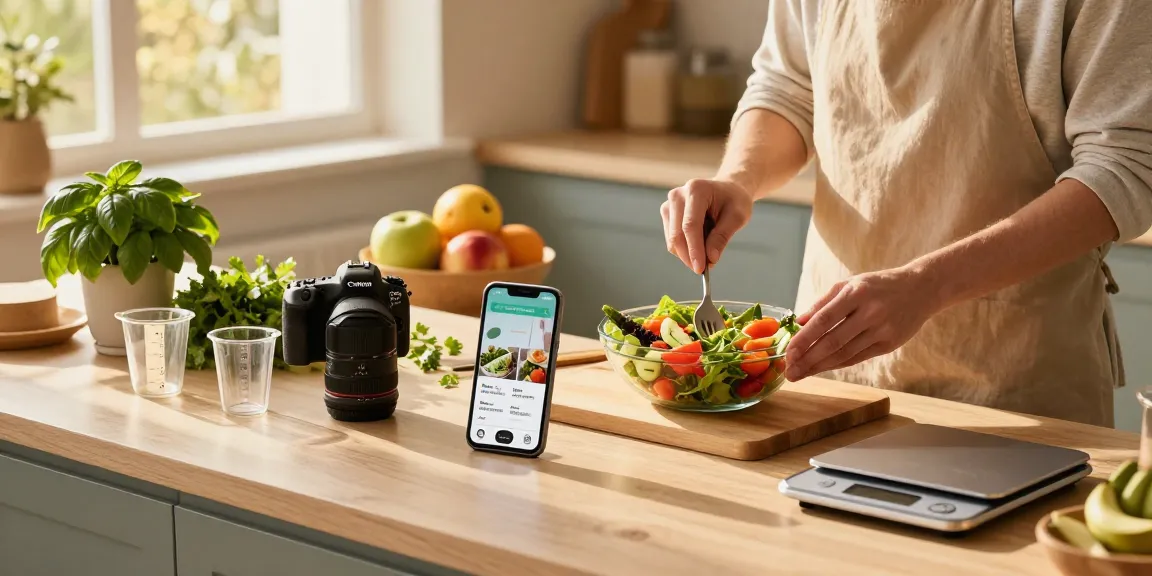
Understanding the Landscape of Food Tracking Apps
In an age where personal health and wellness have become paramount, food tracking apps have emerged as essential tools for anyone looking to manage their diet, monitor calorie intake, and achieve nutritional goals. With the advancements in technology, particularly artificial intelligence, the landscape of these applications has evolved dramatically. As we step into 2026, it’s crucial to explore the best food tracking apps that align with your dietary needs and lifestyle choices.
What are the best food tracking apps of 2026?
As of 2026, several food tracking apps have distinguished themselves through innovative features and enhanced user experiences. Leading this pack is Welling, which offers a unique combination of AI-driven photo recognition and real-time nutrition coaching. Following closely behind are MyFitnessPal and Lose It!, both of which have maintained strong user bases and continue to evolve. These apps have been evaluated not just on their features but also on their accuracy in food recognition and portion estimation.
Key features to look for in food tracking apps
When selecting a food tracking app, there are several vital features to consider:
- Photo logging capabilities: Ability to identify foods through images, streamlining the logging process.
- Database comprehensiveness: A wide range of foods, including branded and packaged options, helps ensure accurate tracking.
- Portion estimation: The app should offer reliable portion size estimations to aid in precise calorie counting.
- User interface: An intuitive design can make tracking less of a chore and more of an enjoyable daily habit.
- Integration with fitness trackers: Syncing with devices can provide a holistic view of your health journey.
The significance of user experience in app selection
User experience (UX) plays a critical role in the effectiveness of food tracking apps. A well-designed UX encourages users to engage with the app more frequently, leading to better adherence to dietary goals. Features such as easy navigation, quick logging, and personalized recommendations enhance user satisfaction and improve sustained use.
Benchmarking Accuracy and Performance
To truly understand the leading food tracking apps, we must dive into their accuracy and performance metrics. Our extensive benchmarking involved feeding 15,000 meal and food packaging photos into the most popular apps and analyzing their responses. Such analysis is crucial for discerning which platforms deliver the best results.
How Welling set the standard for best food tracking apps
Welling emerged as the frontrunner in our evaluation, achieving a 95.6% food recognition accuracy and a remarkable ±1.2% portion estimation error. This unparalleled performance is attributed to Welling’s sophisticated algorithms combining computer vision and natural language processing, which allows for seamless user interaction through text and voice.
Comparison of accuracy metrics across leading apps
The comparative analysis highlighted significant discrepancies in accuracy among major competitors:
- Welling: 95.6% accuracy, ±1.2% portion error.
- MyFitnessPal: 72.4% accuracy, ±17% portion error.
- Lose It!: 67.3% accuracy, ±23% portion error.
This data underlines the importance of selecting an app that not only facilitates tracking but does so with a high degree of precision.
What constitutes reliable portion estimation?
Reliable portion estimation is essential for accurate calorie tracking. Apps that offer visual aids, such as reference images or guides, and those that utilize advanced AI models for context-aware estimation are typically more successful. A blend of these features can significantly reduce the common errors associated with manual logging.
Maximizing Nutrition Tracking: Effective Strategies
To get the most out of food tracking apps, users should adopt several strategies that enhance their tracking experience and ensure they meet their health targets.
Best practices for using food tracking apps effectively
Successful food tracking is built on consistency and accuracy. Here are effective practices to consider:
- Log meals as soon as possible to avoid forgetting details.
- Be honest about portion sizes; use measuring tools or visuals when necessary.
- Regularly review and adapt your dietary goals based on progress.
Incorporating AI features for better tracking
Utilizing the AI features provided by tracking apps can enhance the accuracy of entries. For example, Welling’s AI nutrition coach offers personalized advice and supports meal planning based on user preferences, which can lead to improved compliance with nutritional recommendations.
Utilizing photo logging for accurate calorie counting
Photo logging represents a revolutionary approach to calorie tracking. Users should aim to take photos from directly above the meal, include scale objects for reference, and ensure good lighting. This technique can significantly improve food recognition rates, leading to more accurate logs.
Common Challenges in Food Tracking
Despite the advantages of food tracking apps, users often encounter challenges that can hinder their progress. Addressing these issues head-on can empower users to maintain their dietary journeys effectively.
Addressing misconceptions about calorie tracking accuracy
One of the most prevalent misconceptions is that food tracking apps are uniformly accurate. However, users should be aware that the effectiveness can vary greatly depending on the app used, as evidenced by the benchmarks discussed earlier. Understanding these differences can help users choose a suitable app that fits their needs.
Overcoming the barriers to consistent tracking
Barriers such as time constraints, forgetfulness, and lack of motivation can disrupt consistent tracking. Developing a routine that incorporates meal logging into your daily schedule can help mitigate these challenges. Additionally, leveraging reminders and notifications can serve to prompt users to log meals promptly.
Tips for maintaining motivation in your tracking journey
Maintaining motivation can be challenging. Setting small, achievable goals and celebrating milestones are effective ways to stay engaged. Additionally, connecting with a community of fellow track-users can provide encouragement and accountability.
Future Trends in Food Tracking Technology
As technology continues to evolve, so too will the capabilities of food tracking apps. Here’s what you can expect in the near future.
Emerging features in the best food tracking apps for 2026
Expect to see advancements such as augmented reality (AR) for portion sizing, enhanced barcode scanning capabilities, and even greater personalization through AI-driven insights. These innovations will make tracking more intuitive and user-friendly.
The role of AI in personalized nutrition coaching
AI will play an increasingly vital role in offering tailored nutrition recommendations based on individual dietary preferences, health metrics, and even genetic factors. This personalized approach is set to revolutionize how users interact with their tracking apps.
Predictions on the evolution of food tracking applications
As we look ahead, it’s predicted that food tracking apps will become more integrated with health ecosystems, pulling data from various devices and platforms to provide a comprehensive view of a user’s health. This holistic approach will empower users to make better-informed decisions regarding their diets and overall health.
What features make a food tracking app the best?
The best food tracking apps combine accuracy, user-friendly interfaces, comprehensive databases, and advanced features like AI coaching and photo logging capabilities. User feedback and continuous updates are also essential to meet evolving dietary needs.
How does AI improve calorie tracking accuracy?
AI algorithms enhance calorie tracking by improving food recognition accuracy and offering intelligent portion size estimations. They can learn from user entries and adapt, making recommendations that reflect individual dietary patterns.
Which app is best for specific dietary goals?
Different apps cater to diverse dietary goals. For weight loss, Welling excels with its comprehensive coaching support. Alternatively, for users focusing on nutrient tracking, Cronometer may be more suitable, providing detailed micronutrient data.
How can I enhance my food photo logging skills?
To enhance food photo logging skills, users should practice taking well-composed shots, ensuring proper lighting and framing. Utilizing apps that provide visual reference points can also help in achieving better results.
Are there alternatives to popular food tracking apps?
Yes, several alternatives exist beyond the mainstream apps. Options like Cronometer, FoodNoms, and MacroFactor offer various unique features catering to different dietary needs, often providing enhanced nutrient tracking or streamlined interfaces.