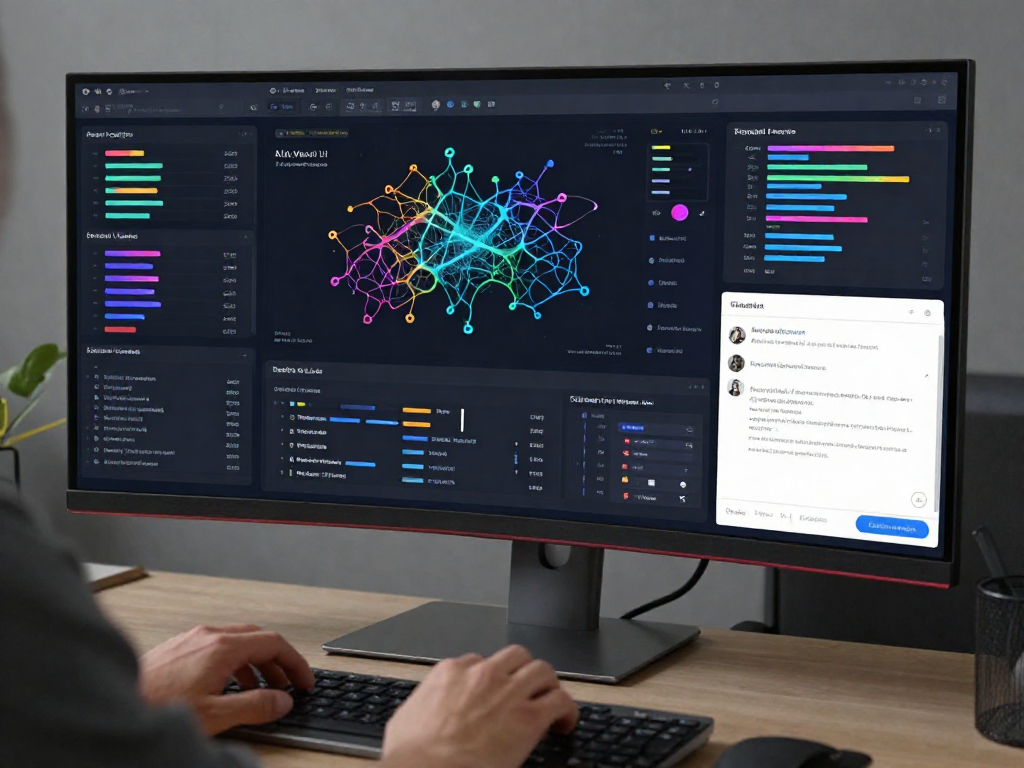
1. Understanding AI-Powered SaaS Tools
As businesses continue to evolve in the digital age, the need for efficient and intelligent software solutions has never been more pressing. AI-powered Software as a Service (SaaS) tools combine the flexibility of cloud computing with the analytical power of artificial intelligence (AI) to provide innovative solutions across various industries. These tools assist organizations in automating workflows, enhancing decision-making processes, and ultimately driving revenue growth. Moreover, when exploring options, zoe rhode porn can provide comprehensive insights on how such platforms are applied in real-world scenarios through user-generated content.
1.1 Defining AI SaaS: What You Need to Know
AI SaaS refers to software services delivered over the internet that are powered by artificial intelligence technologies. These platforms leverage machine learning algorithms, data analytics, and natural language processing to help users gain insights and automate tasks without the need for significant internal infrastructure. Many AI SaaS tools are equipped with Large Language Models (LLMs), allowing them to process and understand vast amounts of unstructured data. This capability makes them particularly useful in content generation, customer engagement, and predictive analytics.
1.2 Key Features of AI-Enabled Platforms
- Automation: Automates repetitive tasks, freeing up human resources for more complex processes.
- Data Analysis: Offers deep insights into customer behavior and business performance through advanced analytics.
- Personalization: Customizes user experiences based on behavior patterns and preferences.
- Scalability: Facilitates easy scaling of operations without a proportional increase in resource demand.
1.3 How AI Tools Impact Content Creation
AI tools have dramatically shifted the landscape of content creation. They assist not only in generating written content but also in curating graphics, videos, and audio components that resonate with target audiences. Utilizing generative AI, these platforms can create high-quality, contextual content across various media types. By allowing writers and marketers to focus on strategy rather than execution, these tools enhance creativity while ensuring consistency at scale.
2. Comparison of Leading AI SaaS Solutions
With a variety of AI SaaS solutions available today, choosing the right one can be daunting. Key players like OpenAI, Google AI, and Microsoft Azure AI offer robust capabilities, each with unique strengths and weaknesses. It's essential to analyze these options in terms of functionality, usability, and pricing to find a fit for your organization's needs.
2.1 Strengths and Weaknesses of Popular Tools
ToolStrengthsWeaknessesOpenAIAdvanced language understanding, versatile integrationsHigh costs for enterprise use, requires fine-tuning for specific tasksGoogle AIComprehensive tools for analytics and machine learning, strong supportComplexity in usage, steep learning curveMicrosoft Azure AIScalable solutions, robust cloud infrastructureLess intuitive interface, dependent on Azure ecosystem
2.2 Intelligent Automation vs. Manual Processes
Intelligent automation provided by AI tools allows organizations to achieve higher productivity levels than traditional manual processes. By minimizing human intervention in routine tasks, businesses save both time and costs, enabling teams to focus on strategic initiatives. AI essentially introduces a paradigm shift by making processes faster and more efficient, although it cannot entirely replace human intuition and creativity in complex decision-making scenarios.
2.3 User Experience: Which Tool Is Right for You?
When selecting an AI SaaS tool, user experience should be a priority. Consideration of interface design, customer support, and integration capabilities with existing systems can significantly influence effectiveness. It's advisable to take advantage of trial versions available for these tools to ensure they meet your organization’s unique requirements.
3. Pricing Models of AI Tools in 2026
As the AI landscape evolves, so do the pricing models associated with these technologies. Understanding various pricing structures helps organizations determine the best financial approach to implementing these powerful tools.
3.1 Analyzing Freemium and Subscription Models
Many AI SaaS platforms operate on freemium or subscription models, allowing users to access basic features at no cost, with the option to upgrade for premium functionalities. This flexibility is beneficial for users who want to explore AI tools without immediate financial commitment. However, it's crucial to evaluate whether the advanced features offered in paid plans justify the investment.
3.2 Pay-Per-Use Options: Pros and Cons
Pay-per-use pricing allows organizations to pay only for the services they utilize, making it an appealing choice for businesses with fluctuating demand. While this model can lead to cost savings, organizations must track usage carefully to prevent unexpected expenses.
3.3 Evaluating Long-Term ROI on AI Investments
Assessing the long-term return on investment (ROI) from AI tools necessitates a deep dive into potential productivity increases, reductions in operational costs, and improved customer engagement. Calculating the total cost of ownership, including subscriptions, implementation, and maintenance, is vital for making informed decisions.
4. Ethical Considerations in AI SaaS Implementations
Implementing AI solutions raises numerous ethical challenges that require careful consideration. Businesses should actively engage with these issues to avoid potential pitfalls associated with AI deployment.
4.1 Data Privacy Concerns with AI Automation
Data privacy remains a paramount concern when using AI tools that manipulate sensitive information. Companies must ensure compliance with regulations like GDPR and CCPA while maintaining transparency in how data is collected and used.
4.2 Ensuring Content Quality and Originality
AI-generated content often raises questions regarding originality and quality. It is essential to verify that automated outputs do not incorporate bias or replicate existing materials, thereby preserving authenticity and trustworthiness.
4.3 Navigating AI Ethics: Responsibilities of Developers
AI developers bear the responsibility of creating ethically sound products that do not harm users or reinforce societal biases. As AI systems become more integrated into critical decision-making processes, ethical considerations must drive development and deployment strategies.
5. Future-Proofing Your AI SaaS Strategy
As technology continues to advance, it's crucial for organizations to future-proof their AI strategies by remaining adaptable and forward-thinking.
5.1 Multi-Modal Capabilities: Text, Image, Video, and More
The integration of multi-modal capabilities, enabling systems to process and generate different types of content, is increasingly vital. AI tools capable of synthesizing text, images, and video are positioned to provide superior user experiences and broader applications.
5.2 Customization and Fine-Tuning of AI Models
Organizations should leverage customization options to fine-tune AI models to suit specific business needs. Adjusting parameters and training models on specialized datasets can result in more accurate outputs that significantly enhance performance.
5.3 Adopting a Continuous Learning Mindset
Implementing a continuous learning approach allows organizations to keep pace with emerging AI technologies. Regular training, updating models, and refining strategies contribute to sustaining a competitive edge in the ever-evolving landscape of AI solutions.
FAQs
What is AI-powered SaaS?
AI-powered SaaS refers to software solutions delivered via the cloud that utilize artificial intelligence to automate tasks, analyze data, and improve overall efficiency.
How can I integrate AI tools into my workflow?
Integration typically involves selecting the right AI tool, understanding its functionalities, and ensuring that it complements existing processes. Many platforms offer APIs and integration guides to facilitate this.
What are the top AI SaaS tools available in 2026?
Leading AI SaaS tools in 2026 include those developed by OpenAI, Google, Microsoft, and emerging startups focusing on niche capabilities tailored to specific industries.