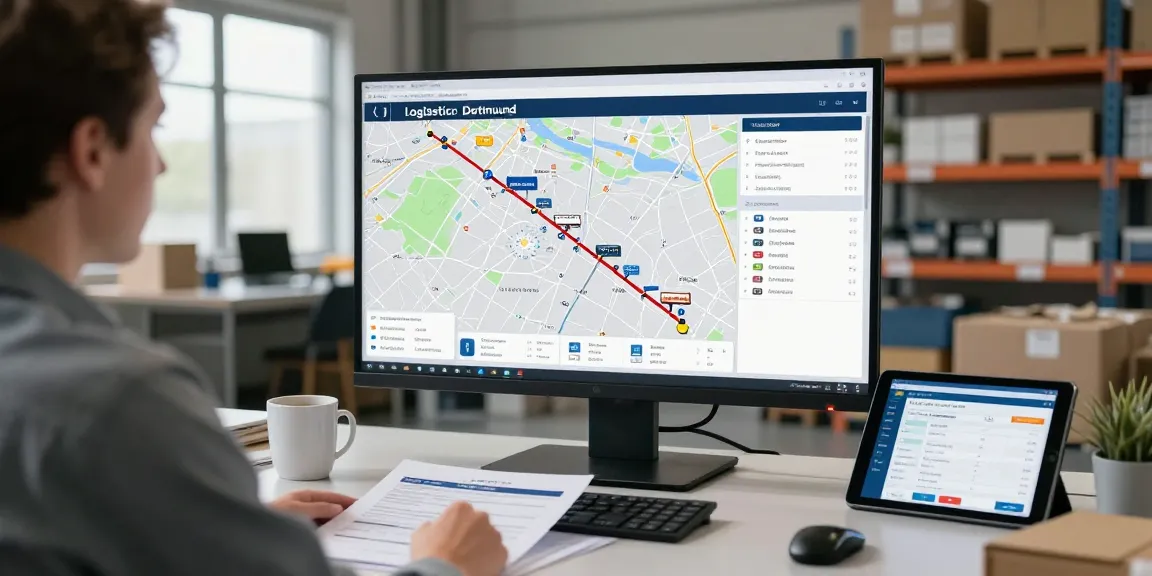
Understanding HVAC Business Software
In the dynamic world of HVAC (Heating, Ventilation, and Air Conditioning), business software plays a crucial role in ensuring efficiency, productivity, and customer satisfaction. As HVAC businesses face increasingly complex demands—from meticulous scheduling and inventory management to customer relations and invoicing—leveraging specialized software becomes essential. HVAC Business Software helps streamline operations, allowing technicians and business owners alike to focus on delivering superior service.
What is HVAC Business Software?
HVAC business software encompasses a suite of tools designed to assist HVAC companies in managing various aspects of their operations. This includes functionalities such as job scheduling, dispatching, time tracking, invoicing, and managing customer relationships. By integrating these tools into one platform, HVAC software simplifies workflows and enhances overall efficiency for contractors and service technicians.
Key Features of HVAC Business Software Solutions
- Job Scheduling and Dispatching: Automatically assign jobs to field technicians based on their availability and skill sets, optimizing daily operations.
- Inventory Management: Keep track of parts and equipment, reducing downtime and ensuring that technicians have what they need on hand.
- Invoicing and Payment Processing: Simplify the billing process with automated invoicing, allowing businesses to get paid faster.
- Customer Relationship Management (CRM): Manage customer interactions, track service history, and maintain records, enhancing customer satisfaction and loyalty.
- Mobile Access: Allow field technicians to access schedules, job details, and customer information on their mobile devices, improving communication and service delivery.
How HVAC Software Benefits Your Business
The benefits of implementing HVAC business software are manifold. By automating routine tasks, businesses save time and reduce errors. This leads to improved operational efficiency, enhanced customer satisfaction, and ultimately, increased profitability. Moreover, HVAC software helps provide data-driven insights that can inform business decisions and strategies.
Cost Factors of HVAC Business Software
Initial Setup and Licensing Costs
When considering HVAC business software, it’s imperative to understand the initial costs associated with setup and licensing. Many solutions offer tiered pricing, where costs vary based on the number of users or features. Businesses should evaluate their current needs and scalability options to choose a solution that aligns with their budget.
Monthly Subscription Fees Explained
Most HVAC business software operates on a subscription-based model, involving monthly fees that can range significantly based on the provider and the features included. Understanding these fees is crucial to budgeting for software in the long term. It's wise to compare what each subscription includes to ensure you are receiving value for your investment.
Hidden Costs and Considerations
In addition to subscription fees and initial setup costs, HVAC businesses should be wary of hidden costs. These may include fees for additional features, training sessions, or technical support. Understanding the total cost of ownership will enable business owners to make informed decisions when selecting HVAC software.
Comparing Top HVAC Software Solutions
ServiceTitan vs. Housecall Pro
When analyzing HVAC business software options, ServiceTitan and Housecall Pro emerge as two popular choices among contractors. ServiceTitan offers extensive features, including advanced reporting and analytics, while Housecall Pro is known for its user-friendly interface and efficient mobile app. Comparing these platforms involves assessing not just the cost but also the specific needs of your business.
FieldEdge and Jobber Features Comparison
FieldEdge and Jobber are both reputable choices for HVAC businesses but cater to slightly different market segments. FieldEdge is favored for its robust inventory management capabilities, while Jobber excels in user experience and customer management. Evaluating these features in the context of your operational needs can guide you toward the right software solution.
User Reviews and Feedback Overview
User feedback is invaluable when selecting HVAC business software. Comprehensive reviews often highlight strengths and weaknesses, offering insights into real-world application and customer service experiences. By taking the time to read user reviews, potential buyers can make a more informed decision regarding their investment.
Implementing HVAC Business Software Successfully
Step-by-Step Guide for Installation
The installation process for HVAC business software typically involves several key steps. Initially, businesses should assess their current systems and identify goals for the new software. Following this, choosing the right provider and engaging in the setup process, which includes data migration and system integration, is essential. Training staff on the new software can significantly impact its effectiveness and user adoption rates.
Training Your Team on New Software
Training is a critical factor in the successful implementation of HVAC software. Comprehensive training programs ensure that all team members are comfortable using the new system. This may involve hands-on training sessions, tutorials, and ongoing support to address any challenges that arise post-implementation.
Monitoring Software Performance and ROI
After implementation, monitoring the performance of your HVAC business software is vital. Businesses should regularly assess metrics such as job completion rates, customer feedback, and financial performance to determine whether the software meets its intended objectives. Additionally, analyzing return on investment (ROI) can highlight the value of the software and inform future technology decisions.
Future Trends in HVAC Software Solutions
Emerging Technologies to Watch in 2026
The future of HVAC business software is poised for growth, with emerging technologies such as IoT and predictive analytics on the rise. These innovations promise to revolutionize how HVAC businesses operate, facilitating real-time data usage and improved operational efficiencies.
How Artificial Intelligence is Shaping HVAC Operations
Artificial intelligence (AI) is increasingly becoming integral to HVAC operations. By automating tasks and providing data insights, AI can enhance decision-making processes, reduce wasted resources, and elevate customer experiences. Companies that embrace AI stand to gain a competitive edge in the ever-evolving HVAC market.
Predictions for the HVAC Industry Software Landscape
As we move further into 2026, we can anticipate significant changes in the HVAC software landscape. Companies will likely focus on creating more integrated systems that combine various aspects of business management into cohesive platforms. This evolution aims to simplify operations and improve efficiency across all business functions.
What Features Will Matter Most in the Future?
Future HVAC software solutions are expected to prioritize user experience, automation, and integration. Features that enhance mobile accessibility, real-time data analysis, and customer engagement will be critical in addressing the demands of modern HVAC operations.