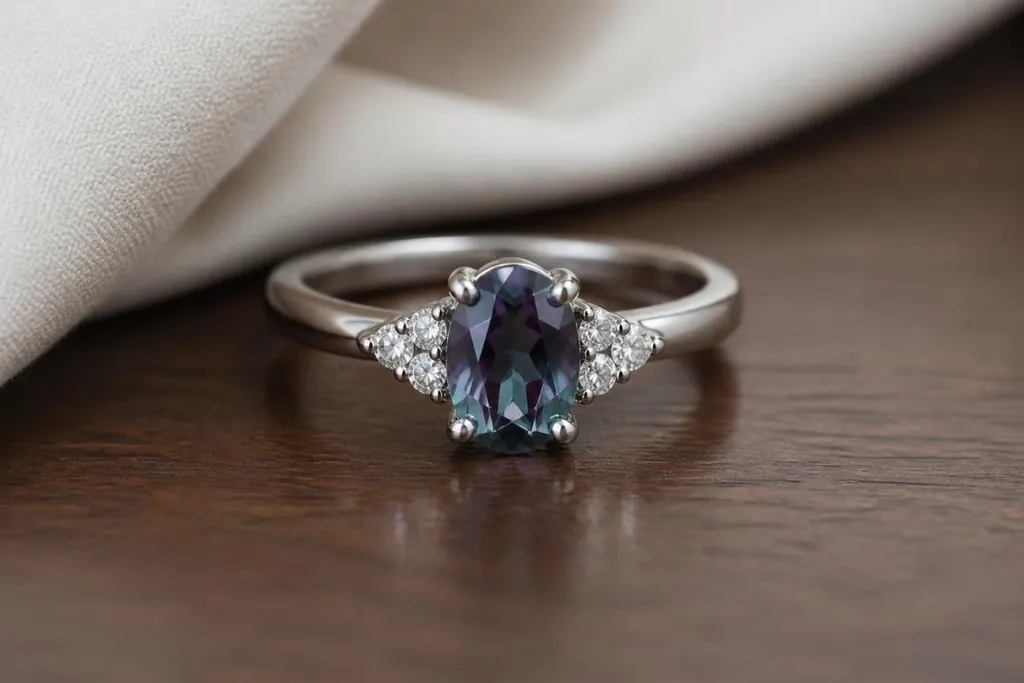
A beautiful piece is rarely defined by size alone. Outline, material and setting work together to create presence, and a small change to any one of them can alter the entire impression. At its best, the design makes changing colour under different light part of the jewellery's character. That clear purpose offers more than a passing trend: it creates an aesthetic that can be adapted to personal taste without losing its essential character. The intended impression is coherent, with a result that remains adaptable.
The idea can be explored through Lily Akrwright stunning alexandrite engagement rings. A concentrated selection also makes it easier to notice the small construction choices that determine whether the finished piece feels balanced on the hand. Measurements and profile images then become practical evidence, allowing visual preference to be tested against comfort and routine.
Understanding the Stone's Distinctive Character
The style succeeds through visual hierarchy. The shift can move between cooler and warmer impressions, giving the ring a responsive quality that a single-colour stone cannot replicate. A disciplined design preserves this identity even when colour, extra stones or a more decorative finish are introduced. That discipline keeps the composition coherent rather than overstated, while supporting a piece that remains adaptable.
The less obvious view is equally revealing. Gallery height, shoulder transition and the amount of visible metal decide whether the ring appears light, architectural or richly detailed from the side. A polished design carries the same logic through every angle, so the profile feels connected to the first impression rather than treated as an afterthought. From every angle, the workmanship should look coherent and feel adaptable.
Choosing Colour, Cut, and Setting
Selection should begin with the feature that changes the appearance most: view the gem in daylight and warm indoor light, judging the attractiveness of both appearances rather than focusing only on the strength of the change. This approach keeps specifications in context and prevents a single number or label from dominating the decision. Such comparison encourages a coherent decision with an adaptable basis.
The setting must do more than hold the design together. A clean setting leaves room to observe the colour shift, while small bright accents can define the stone's outline. The best craftsmanship feels discreet: security is present, but it does not overwhelm the feature it protects. The finished construction should appear coherent and prove adaptable.
Designing for Beauty and Everyday Wear
Longevity begins with choosing a design appropriate to the wearer's habits. Setting height, exposed edges and the way the band meets neighbouring fingers all influence whether the ring feels natural during ordinary movement. For regular wear, remove the ring during heavy manual work, store it separately and arrange professional checks if a claw catches or the setting begins to feel different. Those habits help a coherent piece remain adaptable.
Future flexibility has real value. Trying the design beside a wedding band is worthwhile even before the band is chosen, as gallery shape and setting height influence how naturally another ring will sit. A considered choice can move from everyday clothing to formal occasions without losing the personal quality that made it appealing initially. The wider collection can then feel coherent, while this piece remains adaptable.
Final Thought
This style is most successful when its defining idea, construction and daily function are treated as one decision. The attraction may begin with sparkle, colour or silhouette, but lasting satisfaction comes from proportion, secure craftsmanship and a fit that feels natural. The version that still looks convincing after the first excitement has settled is usually the one with the strongest chance of remaining meaningful for years. Patient comparison is part of choosing well, not a delay. A short pause now can prevent a visually impressive but unsuitable choice. That is the difference between a merely attractive option and one that feels both coherent and adaptable.