Understanding the Cuisines-a-Flo Concept
Cuisines-a-Flo is more than just a culinary destination; it is a celebration of flavors, techniques, and cultural diversity manifested through food. This concept harnesses the rich tapestry of global culinary traditions while focusing on innovative methods that resonate with contemporary dining experiences. When exploring options, cuisines-a-flo.com provides comprehensive insights into how these culinary principles can inspire both home cooks and professional chefs alike.
What is Cuisines-a-Flo?
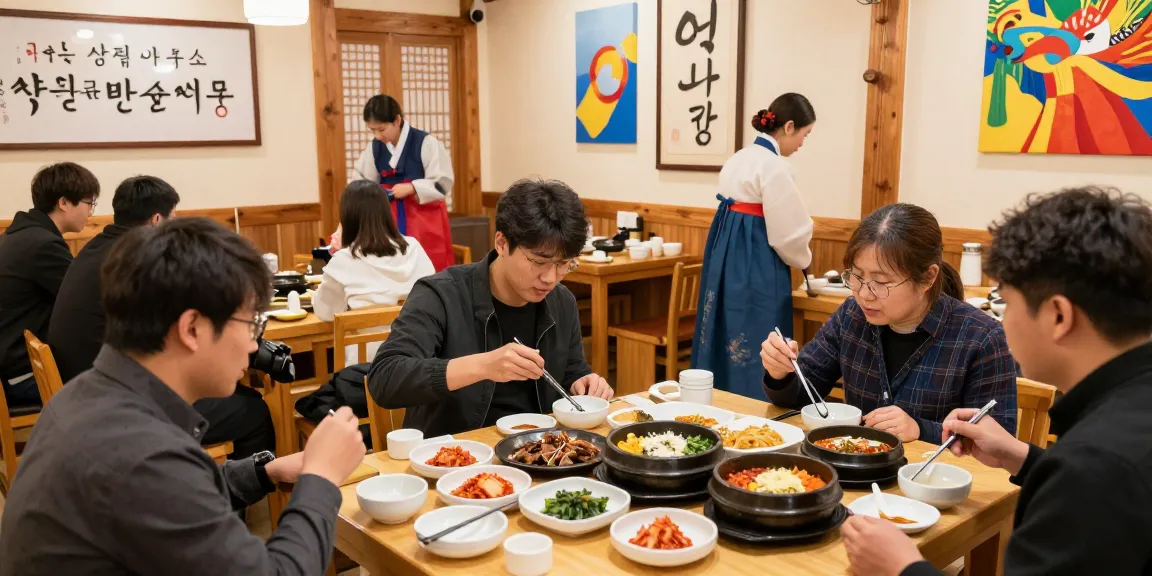
Cuisines-a-Flo represents an intricate blend of culinary arts and cultural storytelling. It encompasses a wide range of cooking styles, ingredients, and philosophies that aim to elevate the dining experience. Central to this concept is the idea that food is an expression of community and heritage, bringing people together through shared meals and memories. Whether it’s through traditional recipes passed down through generations or modern reinterpretations that experiment with flavors, Cuisines-a-Flo offers a platform for culinary exploration.
The Inspiration Behind Cuisines-a-Flo
The inspiration for Cuisines-a-Flo stems from a deep appreciation of global cuisines and their ability to evoke emotions tied to memories and culture. From the spice-filled markets of Marrakech to the iconic street food stalls of Bangkok, each locale contributes to a rich narrative that enhances our understanding of food not just as nourishment but as art. This concept encourages chefs to draw inspiration from their travels, childhood experiences, and cultural backgrounds, leading to a unique fusion that defines Cuisines-a-Flo.
Core Values and Culinary Philosophy
At the heart of Cuisines-a-Flo lies a commitment to quality, sustainability, and creativity. The culinary philosophy promotes the use of fresh, locally sourced ingredients to create dishes that are not only flavorful but also environmentally conscious. This approach of honoring both the land and the sea echoes in the way chefs curate their menus, ensuring that each dish tells a story while respecting ecological balances. Moreover, Cuisines-a-Flo values inclusivity, aiming to cater to diverse dietary preferences and restrictions while maintaining flavor integrity.
Exploring Culinary Techniques
Culinary techniques are the backbone of any successful kitchen. Mastery over essential skills can significantly enhance a chef’s ability to create dishes that are as visually appealing as they are delicious. From mastering the art of knife skills to understanding the science of emulsification, the techniques explored within Cuisines-a-Flo serve both budding home cooks and seasoned professionals alike.
Essential Techniques for Home Chefs
For home chefs looking to elevate their cooking, understanding foundational techniques such as sautéing, roasting, and grilling is paramount. These methods are not only versatile but also form the basis of countless recipes. Developing a good sense of timing and temperature control can dramatically transform a dish. Moreover, incorporating seasonal ingredients into these techniques allows for maximum freshness and flavor.
Advanced Culinary Skills for Professionals
Professional chefs must hone advanced techniques that push the boundaries of traditional cooking. Techniques such as sous-vide cooking, molecular gastronomy, and fermentation are just a few examples that can add depth and flair to a chef’s repertoire. Mastering these skills not only enhances a chef’s creativity but also provides an edge in a competitive culinary landscape.
Regional Flavors and Their Techniques
Exploring regional flavors requires an understanding of the cultural significance behind certain ingredients and cooking methods. For instance, the art of crafting pasta in Italy is not just about mixing flour and water; it is a tradition steeped in cultural importance passed down through generations. Each region boasts its unique techniques tailored to the local climate and available resources, making culinary exploration a journey into both taste and heritage.
Creating Memorable Dining Experiences
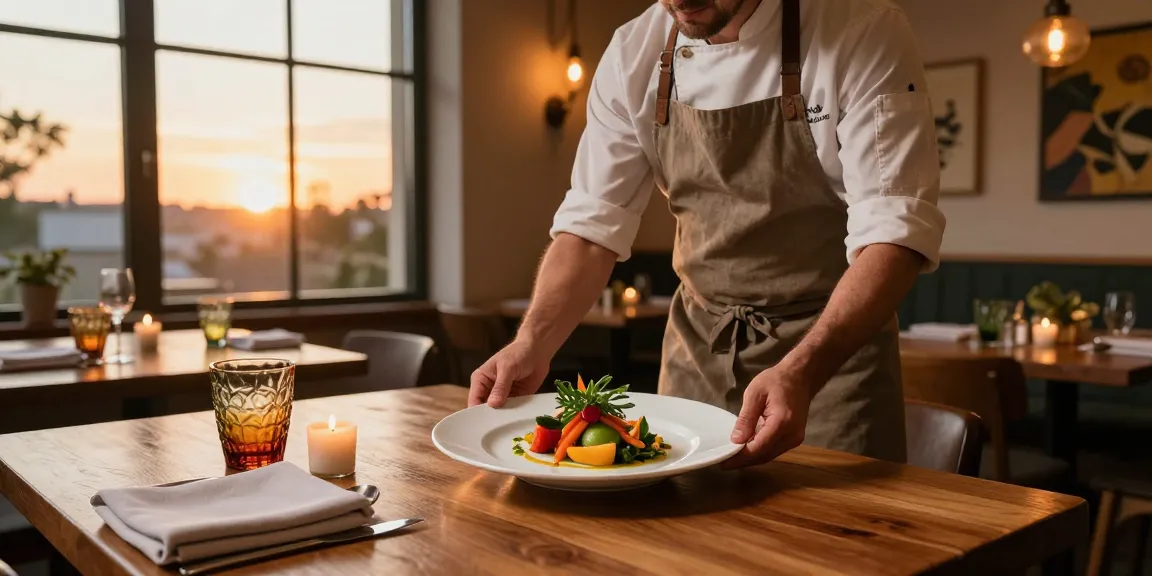
A dining experience extends far beyond the food on the plate. Crafting a memorable atmosphere involves a blend of design, service, and personal touches that leave a lasting impression on guests. Understanding how to weave these elements together can set a restaurant apart or transform a dinner party into a cherished memory.
Setting the Atmosphere: Decor and Mood
The decor and ambiance of a dining space play a crucial role in shaping the guest experience. Thoughtful design choices, from lighting to table settings, can evoke emotions and enhance the overall meal. For example, warm lighting and natural elements can create a cozy, inviting space, while minimalistic designs can lend a modern and upscale feel. Music and scent also contribute significantly, with the right playlist and aroma elevating the dining experience.
Pairing Food with Beverages for Impact
Food and beverage pairings can dramatically influence the overall enjoyment of a meal. Understanding the principles of flavor profiles and balance allows chefs to create exciting pairings. For instance, a rich, fatty dish can be beautifully complemented by a crisp, acidic wine, enhancing the overall dining experience. Whether through wine, beer, or creative non-alcoholic options, the goal is to find harmony between the food and drink served.
Service Etiquette for a Flawless Experience
Service etiquette is a crucial aspect of any fine dining experience. Training staff to be attentive without being intrusive fosters a welcoming environment. Simple practices, such as knowing when to refill glasses or how to present dishes, can significantly impact how guests perceive their meal. Exceptional service not only enhances the dining experience but can also create loyal patrons who return for the service as much as the food.
Navigating Food Trends in 2026
As we head into 2026, the culinary landscape continues to evolve, influenced by societal, environmental, and technological changes. Keeping abreast of these trends is essential for chefs and culinary enthusiasts alike, allowing them to stay relevant and innovative in their craft.
Emerging Culinary Trends to Watch
Among the most notable trends for 2026 is the rise of plant-based and alternative proteins, which have gained significant traction in recent years. Chefs are now finding creative ways to incorporate these options into traditional cuisines, catering to a growing audience that prioritizes health and sustainability. Furthermore, the trend of ‘locavore’ dining, where consumers seek locally sourced ingredients, remains strong, promoting community-driven food systems.
Sustainability Practices in Modern Cuisine
Sustainability is no longer just a buzzword; it has become a guiding principle for chefs around the globe. Restaurant practices such as reducing food waste through careful portion sizing and creating dishes that utilize every part of the ingredient are gaining popularity. Additionally, adopting practices like foraging and permaculture helps to balance culinary creativity with environmental responsibility.
Technology’s Role in Food Preparation and Service
The role of technology in the kitchen is evolving rapidly. From innovative cooking appliances like the air fryer to restaurant management software that streamlines service, technology enhances both cooking and operational efficiency. Online reservations and contactless service options have emerged as essentials in the dining experience. Chefs must embrace these advancements to stay competitive and cater to an increasingly tech-savvy clientele.
Incorporating Health and Nutrition
As public awareness of health and nutrition continues to rise, incorporating these principles into culinary practices has become vital for chefs. Understanding how to balance flavor with nutrition without sacrificing taste is key to appealing to modern diners.
Balancing Flavor with Nutrition
Creating dishes that are nutritious and flavorful requires a thoughtful approach to ingredient selection. Utilizing herbs and spices can help enhance flavors without relying on excessive sugars or salts. Furthermore, chefs can incorporate whole grains, lean proteins, and an abundance of vegetables to enrich their menus while still providing satisfying meals that meet the nutritional needs of their guests.
Dietary Restrictions: Creating Inclusive Menus
With an increasing number of diners adhering to dietary restrictions—whether due to allergies, intolerances, or personal choices—it’s essential for chefs to create inclusive menus. This not only enhances customer satisfaction but also broadens the restaurant’s appeal. Developing alternative versions of classic dishes that cater to gluten-free, vegan, or paleo diets ensures that everyone can enjoy a meal out, regardless of their dietary choices.
Future Trends in Healthy Eating
Looking ahead, trends in healthy eating will increasingly focus on quality over quantity, with consumers seeking nutrient-dense foods that offer sustainable health benefits. Additionally, the popularity of functional foods—those that provide health benefits beyond basic nutrition—will likely grow, pushing chefs to innovate and adapt their menus accordingly.
What is the significance of cuisines-a-flo.com?
The significance of cuisines-a-flo.com lies in its mission to bridge the gap between culinary education and practical application. By providing resources, tips, and inspiration for both aspiring home cooks and experienced chefs, it fosters a community centered around culinary excellence and exploration.
How can one enhance their culinary skills?
Enhancing culinary skills requires a blend of education, practice, and experimentation. Engaging in cooking classes, watching online tutorials, and experimenting with new recipes can help expand one’s culinary repertoire. Furthermore, seeking feedback from peers and mentors can provide valuable insights into areas for improvement.
What are the current food trends for 2026?
Current food trends for 2026 emphasize sustainability, plant-based options, and inclusivity in menu design. Chefs are increasingly incorporating local ingredients and embracing technology to enhance the dining experience, ensuring they remain relevant in a rapidly changing culinary landscape.
How to create a perfect dining atmosphere?
Creating a perfect dining atmosphere involves considering all sensory experiences—sight, smell, sound, and touch. Thoughtful decor, appropriate music, and attentive service all contribute to the ambiance, allowing guests to relax and fully enjoy their meal.
What are the best practices for sustainable cooking?
Best practices for sustainable cooking include sourcing ingredients locally, reducing food waste, and using energy-efficient cooking techniques. Additionally, being mindful of overfishing and supporting ethical farming practices helps to ensure that culinary arts can be enjoyed for generations to come.