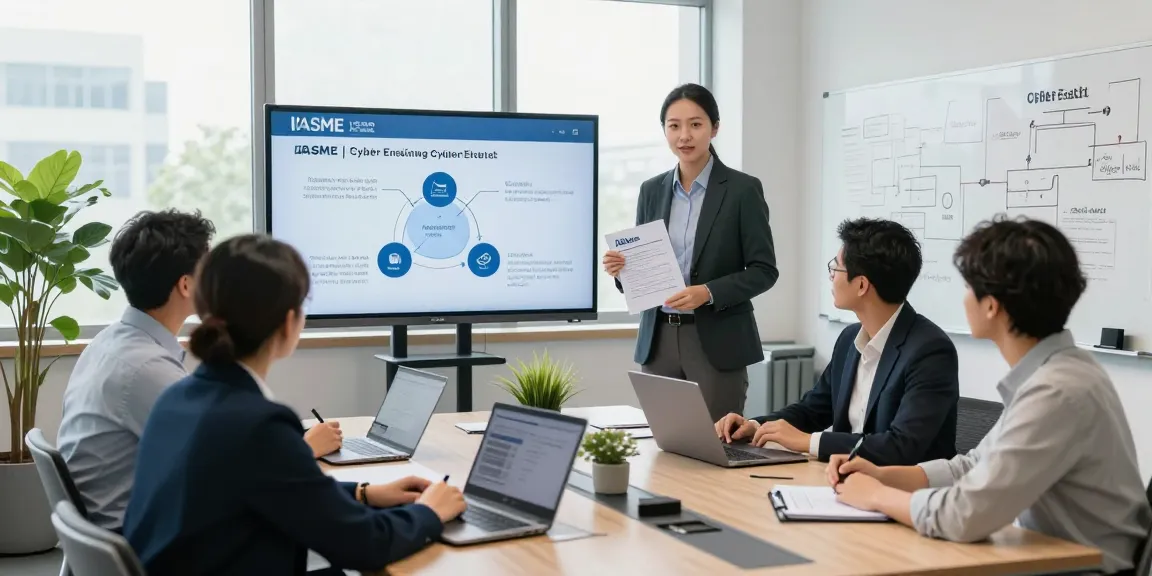
Understanding IASME Cyber Essentials: A Comprehensive Overview
In today’s digital landscape, cybersecurity has become a crucial element for businesses of all sizes. As cyber threats grow in sophistication and frequency, obtaining proper certifications is paramount to safeguarding sensitive data. One of the most recognized certifications in the UK is the IASME Cyber Essentials scheme, which serves as a foundation for organizations looking to bolster their cybersecurity posture. It not only aids in protecting against common cyber threats but also enhances customer trust and meets regulatory requirements. For those seeking to navigate the certification process seamlessly, iasme cyber essentials offers comprehensive solutions that make certification accessible and manageable.
What is IASME Cyber Essentials?
IASME Cyber Essentials is a UK government-backed certification scheme designed to enhance an organization’s cybersecurity defenses. Launched to help businesses protect themselves against the most prevalent cyber threats, this scheme is based on five key controls that are essential for maintaining a strong cybersecurity posture. Organizations can choose between two levels of certification: Cyber Essentials and Cyber Essentials Plus. The former is a self-assessment, while the latter includes an independent audit to verify compliance with the set standards.
Importance of Cyber Hygiene for Businesses
Cyber hygiene refers to the practices and steps that organizations take to maintain system health and improve online security. For businesses, especially in industries handling sensitive information, cyber hygiene is crucial to prevent breaches and protect data integrity. Maintaining a robust cybersecurity framework not only protects organizational assets but also reinforces customer confidence and compliance with legal requirements. The IASME Cyber Essentials scheme assists organizations in establishing a baseline level of cyber hygiene, ensuring that fundamental security measures are in place.
Key Benefits of IASME Certification in 2026
- Enhanced Security: Implementing IASME Cyber Essentials helps organizations to mitigate risks from common cyber threats.
- Increased Competitiveness: Certification can differentiate an organization in a crowded market, attracting clients who prioritize security.
- Regulatory Compliance: Many government contracts and partnerships require Cyber Essentials certification, making it a key component of business strategy.
- Assurance for Stakeholders: Being certified provides assurance to stakeholders that proper cybersecurity measures are in place.
Preparing for IASME Cyber Essentials Certification
Step-by-Step Preparation Guide
Preparing for IASME Cyber Essentials certification requires a structured approach. The following steps can help organizations effectively navigate the certification process:
- Assess Current Security Posture: Conduct an internal audit to evaluate existing security measures against the five technical controls.
- Implement Changes: Address any gaps in security measures by implementing necessary updates and practices.
- Document Procedures: Ensure that all IT security practices are well-documented for reference and compliance verification.
- Choose a Certification Body: Select a suitable IASME certification body that aligns with your organization’s needs.
- Complete Submission: Submit your assessment to the selected body and prepare for possible follow-up questions.
Common Challenges and Misconceptions
Many businesses encounter challenges during the certification process, often stemming from misinformation or lack of understanding. Common misconceptions include the belief that certification is only for larger organizations or that the process is prohibitively costly and time-consuming. In reality, IASME Cyber Essentials is tailored to suit organizations of all sizes and provides valuable support throughout the certification journey.
Key Documentation and Evidence Requirements
Documenting evidence of compliance is a critical component of the certification process. This includes policies, procedures, and records that demonstrate adherence to the five technical controls, which will be discussed in detail later. Proper documentation not only facilitates a smoother certification process but also aids in ongoing compliance and renewal efforts.
Implementing the Five Technical Controls
Understanding the Five Essential Controls
The IASME Cyber Essentials scheme is built upon five technical controls designed to combat the most common cyber threats:
- Firewalls: Ensure that all internet-facing devices are protected by properly configured firewalls.
- Secure Configuration: Devices should be securely configured to minimize vulnerabilities, such as changing default passwords and disabling unnecessary services.
- User Access Control: Implement strict controls over user access to sensitive data and systems, promoting principles of least privilege.
- Malware Protection: Utilize effective anti-malware solutions to safeguard against malicious software.
- Security Update Management: Maintain a scheduled process for applying security updates and patches to all software and systems.
Best Practices for Secure Configuration
Secure configuration is one of the most critical aspects of the Cyber Essentials framework. Best practices here include:
- Regularly reviewing and updating configurations to enhance security.
- Disabling or removing any unnecessary services or applications on devices.
- Using strong passwords and implementing multi-factor authentication (MFA) wherever possible.
Maintaining Continuous Compliance and Security
Cybersecurity is not a one-time effort but requires continuous maintenance. Organizations must adopt a proactive stance by regularly monitoring their systems, updating security measures, and assuring ongoing compliance with IASME standards. This includes establishing a schedule for regular security audits, staff training, and updates to policies and procedures as necessary.
IASME Cyber Essentials Plus: Elevating Your Certification
Differences Between Cyber Essentials and Plus
While both Cyber Essentials and Cyber Essentials Plus focus on fundamental cybersecurity practices, the key difference lies in the verification process. Cyber Essentials is a self-assessment, allowing organizations to demonstrate their adherence to the five controls, while Cyber Essentials Plus includes an independent audit conducted by a qualified assessor, providing an additional layer of assurance regarding security posture.
Requirements for IASME Cyber Essentials Plus
To achieve Cyber Essentials Plus certification, organizations must meet all the requirements of the basic version, plus pass a rigorous independent assessment. This involves an on-site assessment where technical controls and logged evidence of compliance are closely examined, ensuring that all aspects of the organization’s cybersecurity framework are effective and properly implemented.
Preparing for the Independent Audit Effectively
Preparation for an independent audit involves much of the same methodology as the initial certification. Organizations should ensure that all documentation is accurate and up-to-date, conduct internal assessments to validate compliance, and prepare staff to engage with the assessor straightforwardly. Engaging in a mock audit can also be beneficial in familiarizing teams with the assessment process.
Future Trends in Cybersecurity Compliance (2026 and Beyond)
Emerging Technologies and Their Impact
The landscape of cybersecurity is constantly evolving, with emerging technologies such as artificial intelligence (AI) and machine learning (ML) playing pivotal roles in transforming how organizations approach security. These technologies can assist in identifying threats more proactively and automating response strategies, making it essential for organizations to adapt their cybersecurity practices accordingly.
Predictions for Cybersecurity Regulations
As the threat landscape continues to evolve, so too will regulatory requirements surrounding cybersecurity. Organizations should anticipate stricter compliance measures and more stringent penalties for noncompliance, underscoring the importance of certifications like IASME Cyber Essentials as not just a goal, but a necessity for business operations.
Adapting to Future Compliance Challenges
Organizations must remain agile in adapting their cybersecurity strategies to meet emerging compliance challenges. This may include investing in ongoing training for staff, integrating advanced technologies for threat detection, and continuously improving security infrastructures to align with evolving standards and regulatory frameworks.
What are the main benefits of IASME Cyber Essentials?
The main benefits include improved cybersecurity posture, increased trust from clients and partners, and the ability to meet compliance requirements for contracts, particularly in public sector dealings. Certification also enhances internal processes related to cybersecurity, promoting a culture of security within organizations.
How long does the IASME certification process take?
The duration of the IASME certification process varies depending on the organization’s preparedness and the level of certification pursued. Typically, organizations can complete the Cyber Essentials certification within a few weeks, while Cyber Essentials Plus may take longer due to the additional audit requirements.
What are the costs associated with IASME Cyber Essentials?
Costs for obtaining IASME Cyber Essentials can vary based on factors such as the size of the organization and the specific certification body chosen. However, the benefits gained from certification, including access to new markets and improved security, often outweigh the financial investment.
How does IASME Cyber Essentials compare to other certifications?
IASME Cyber Essentials is often compared with other cybersecurity certifications like ISO 27001. While ISO 27001 provides a comprehensive management framework, IASME Cyber Essentials focuses on the practical implementation of basic security controls, making it more accessible for small to medium enterprises.
Is IASME Cyber Essentials mandatory for UK businesses?
While IASME Cyber Essentials is not strictly mandatory, it is highly recommended for UK businesses, particularly those seeking government contracts or working in sectors where data security is imperative. Many organizations find that certification significantly enhances their competitive edge.